
Practical HART Device Access and Multiplexer Expansion Using Pepperl+Fuchs KFD2-HMM-16
Pepperl+Fuchs KFD2-HMM-16 is a 16-channel HART multiplexer primary module used to collect digital HART information from analog field-device loops and make that information available to maintenance or asset-management software. The process signal can continue serving the control system while authorized users obtain device status, diagnostics, configuration data, and identification information through the HART communication layer. KFD2-HMM-16 is therefore most useful when a plant wants broader visibility into installed transmitters without replacing the existing 4-20 mA measurement architecture.
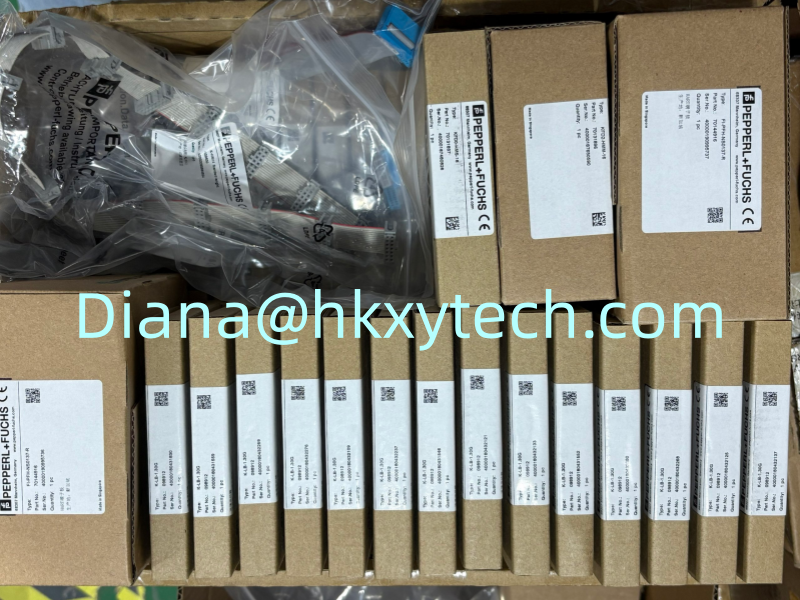
HART Access Without Rebuilding Every Analog Loop
Many plants already have hundreds of HART-capable pressure, flow, level, temperature, and analytical instruments, but only use their analog current signal. KFD2-HMM-16 provides a path to the digital information superimposed on that current. The module supports HART field-device inputs for revisions 5 through 7 and uses a 26-pin flat cable for the analog connections. It does not replace the control-system analog input and it does not automatically correct a poorly designed loop; it listens to and communicates with compatible devices through the connected network.
Useful information can include manufacturer, device type, tag, range, engineering units, diagnostic status, and configuration parameters. The exact information available depends on the field instrument, its device description or integration package, and the host software. Changes to live instruments should follow plant authorization procedures because a valid HART command can alter device configuration even when the 4-20 mA loop remains energized.
Primary Module and Expansion Architecture
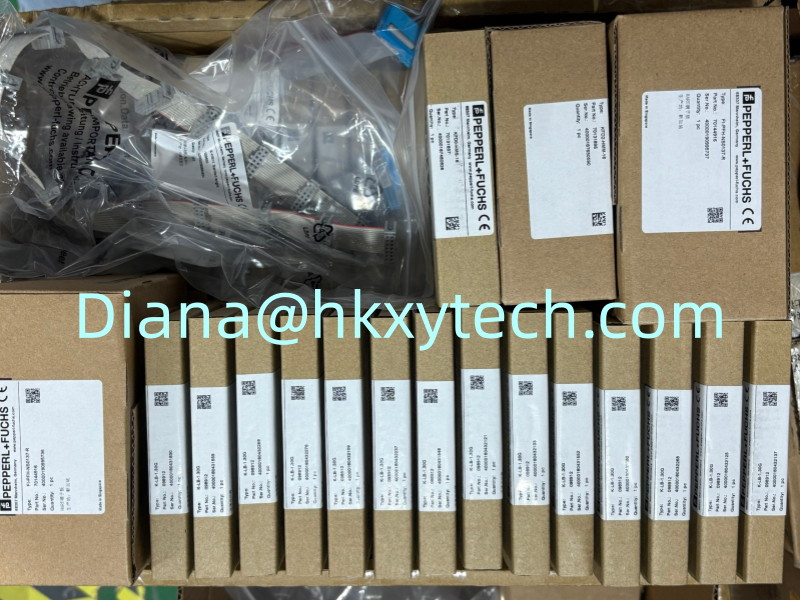
One KFD2-HMM-16 handles sixteen analog transmitter channels. Pepperl+Fuchs also allows up to fifteen KFD0-HMS-16 secondary modules to be connected to a primary module through the designated 14-pin flat-cable link. This creates a scalable multiplexer arrangement, but expansion should be planned around channel records, cable routing, address control, cabinet space, power, and the practical polling load of the host system.
Before adding a secondary module, prepare a channel map that links each multiplexer input to the loop drawing, field tag, control-system channel, and physical terminal. A technically healthy KFD2-HMM-16 network is still difficult to maintain if the software channel name and the real transmitter do not match. Label both ends of every ribbon cable and retain enough service space to inspect connectors without stressing them.
RS-485 Settings Form the Network Identity
The host interface is a two-wire multidrop RS-485 connection. Transfer rates of 9600, 19200, or 38400 bit/s are selected with DIP switches 2 and 3. DIP switches 4 through 8 select one of 31 addresses. The first DIP switch is reserved for manufacturer testing and should remain in its specified normal position.
- Record the existing baud rate and address before removing any installed KFD2-HMM-16.
- Check that every primary module on the RS-485 multidrop network has a unique address.
- Use the correct cable type, polarity, grounding practice, and end-of-line termination for the complete RS-485 route.
- Keep the communication cable separated from high-energy switching conductors and sources of electrical noise.
- Update the host configuration whenever an address, baud rate, channel assignment, or module position changes.
Duplicate addresses can make two cabinets appear as one unreliable node. A mismatched baud rate can make a newly installed primary module completely invisible. These simple settings should be verified before changing software drivers or replacing other hardware.
Commissioning as a Conversation Map
Commissioning is clearest when technicians test one complete communication path at a time. Start with channel 1, identify the connected transmitter locally, confirm its 4-20 mA value at the control system, then confirm that the same tag and device identity appear through KFD2-HMM-16. Continue across all sixteen channels and record open, spare, or unsupported points rather than leaving unexplained gaps.
Next, test the RS-485 link from the cabinet to the host. Confirm baud rate, node address, polling stability, and host response after a controlled power cycle. If secondary modules are present, verify each expansion cable and module boundary. A repeated pattern of missing channels may point to a ribbon-cable or expansion problem, while one missing device more often suggests loop impedance, field wiring, device settings, or channel mapping.
The KFD2-HMM-16 supply reference is 20 to 32 V DC, typically around 100 mA, with maximum power consumption of 3 W. Verify the actual supply at the module and confirm that the cabinet power budget covers every primary and secondary component. Power quality matters because intermittent supply loss can look like a communication or software problem.
Using Device Data for Maintenance
The value of KFD2-HMM-16 grows when collected data supports a defined maintenance workflow. Teams may review device-status alerts, compare configured ranges with engineering records, identify instruments approaching calibration limits, or confirm that a replacement transmitter was assigned the correct tag and units. Avoid collecting alarms without ownership; decide who reviews them, how priority is assigned, and how the outcome is recorded.
For safety-related applications, Pepperl+Fuchs identifies capability up to SIL 3 according to IEC/EN 61508. That statement must be interpreted within the full safety lifecycle. The multiplexer connection, host access, change-management rules, device configuration, proof testing, and cybersecurity controls must be managed so diagnostic access does not undermine the approved safety function.
Replacement and Purchasing Notes
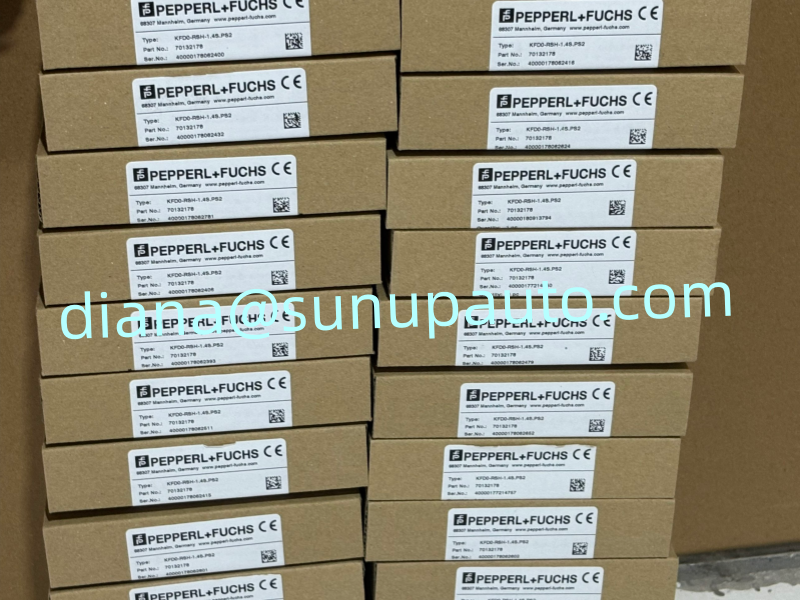
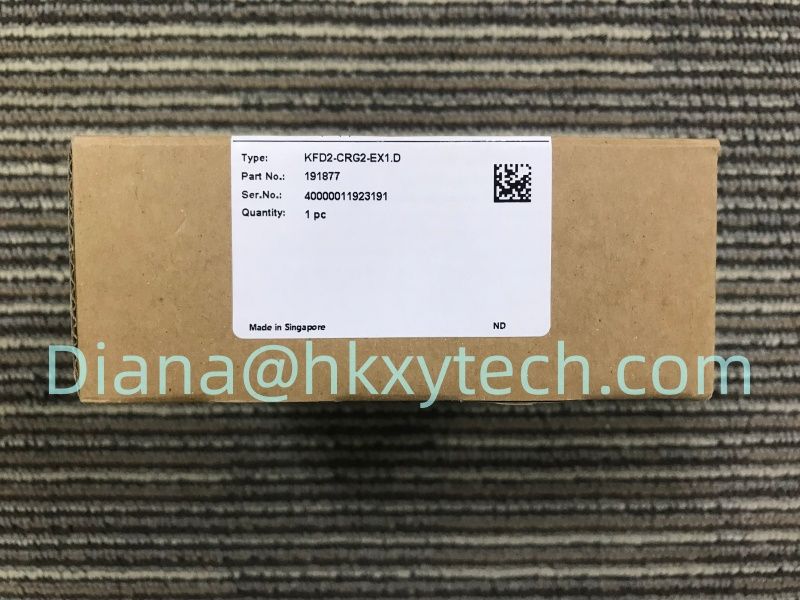
Before replacing KFD2-HMM-16, photograph the label and DIP switches, export the host configuration, save the channel map, identify connected KFD0-HMS-16 modules, and label every cable. After installation, restore the address and baud rate, then verify all channels rather than checking only the first responsive transmitter.
For an accurate inquiry, provide the full model KFD2-HMM-16, quantity, destination, required delivery date, product-label photo, and whether the requirement includes secondary modules, flat cables, Power Rail accessories, or software integration. Sunup-MTL can support model-based sourcing, international packing, and shipment coordination. Final compatibility and configuration should be confirmed against the current Pepperl+Fuchs documentation and the plant's approved control and maintenance standards.