
Selecting Pepperl+Fuchs NCB10-30GM40-N0 for Dependable Non-Contact Metal Detection in Demanding Installations
Pepperl+Fuchs NCB10-30GM40-N0 is a cylindrical NAMUR inductive sensor intended for reliable, non-contact detection of metallic targets. Its 10 mm rated operating distance, flush installation design, two-wire output, and compact M30 threaded housing make the model relevant to plant upgrades, replacement work, and new machine construction where a conventional mechanical limit switch would introduce wear or maintenance concerns.
The exact suffix matters when NCB10-30GM40-N0 is being sourced from a drawing, spare-parts list, or existing machine. Cable length, connector style, switching function, hazardous-area approval, and installation geometry can differ among visually similar sensors. This page focuses on the base NCB10-30GM40-N0 configuration and the practical checks that help engineering and purchasing teams confirm a suitable replacement before an order is released.
What the NCB10-30GM40-N0 Detects
NCB10-30GM40-N0 senses the presence of metal without physical contact. The manufacturer lists a normally closed NAMUR switching function and an 8.2 V nominal operating reference through approximately 1 kΩ. In a correctly designed loop, the sensor changes current state as a metallic target enters or leaves the sensing zone, while the associated isolated barrier or control interface interprets that change for the automation system.
A 10 mm rated operating distance is useful for many position, end-travel, speed, and presence-detection tasks. The assured operating distance is lower than the nominal value, so machine builders should design the target approach and mounting position with realistic tolerance for target material, temperature, vibration, and mechanical movement. Aluminum and copper targets produce a lower effective sensing distance than standard steel, which should be considered during commissioning.
Installation Characteristics That Affect Performance
The flush-mount design allows NCB10-30GM40-N0 to be installed with the sensing face aligned with surrounding metal when the manufacturer's mounting instructions are followed. Its stainless-steel cylindrical housing and PBT sensing face support robust industrial use, while the IP66/IP67 degree of protection helps protect the device against dust and water exposure under the defined installation conditions.
The standard product data identifies a 40 mm body length and 30 mm diameter. The cable exit must be protected from sharp bending, tension, and repeated flexing. Cable routing should also maintain separation from high-power conductors and variable-frequency drive wiring where electrical noise could affect the connected interface. Two self-locking nuts are normally supplied to support secure mechanical mounting.
NAMUR Loop and Interface Review
NCB10-30GM40-N0 is not a general three-wire DC proximity switch. Its two-wire NAMUR output is designed to operate with a compatible switching amplifier or intrinsically safe isolated barrier. The interface supplies the defined sensor circuit and converts its current levels into a relay, transistor, or logic signal suitable for the control system. Substituting a standard PNP or NPN device without reviewing the loop design can result in incorrect operation or loss of the required protection concept.
For replacement work, confirm the installed barrier model, channel configuration, line-fault monitoring arrangement, cable resistance, and hazardous-area documentation. The complete loop must be assessed as a system. A certificate on the sensor alone does not establish compliance for every field cable, barrier, enclosure, and target application.
Typical Uses Across Industrial Equipment
- Valve, actuator, and damper position feedback where a metal flag provides the target
- Conveyor and material-handling equipment requiring non-contact position confirmation
- Machine-tool slides, fixtures, clamps, and guarded mechanisms
- Rotating equipment monitoring with an appropriate metal target and switching frequency
- Process skids and packaged systems installed in classified operating areas
- Replacement of worn mechanical switches when the control architecture supports NAMUR input
The manufacturer lists a switching frequency up to 200 Hz for NCB10-30GM40-N0. Actual application capability depends on target size, target speed, sensing gap, interface response, and control-system scan time. High-speed counting or precise speed measurement should therefore be checked as a complete signal chain rather than judged from the sensor specification alone.
Commissioning Checks Before the Machine Returns to Service
Begin with the machine in a safe condition. Verify that the sensor label reads NCB10-30GM40-N0, the sensing face is undamaged, and the cable jacket has not been pinched. Set the target at the intended closest and farthest positions, then confirm stable switching at both limits. The yellow all-around LED can assist local observation, but the final test should include the barrier output and the controller input.
Check for chatter caused by an unstable target, excessive gap, loose mounting nuts, or vibration. Confirm that line-fault monitoring behaves as expected if the selected interface provides that function. Record the final sensor position and measured gap so the next maintenance team has a useful reference rather than relying only on visual alignment.
Replacement and Ordering Checklist
- Read the complete model code, including any cable-length or connector suffix
- Confirm normally closed NAMUR behavior and the compatible input barrier
- Check the M30 mounting thread, 40 mm housing length, and available installation space
- Confirm the target material, target dimensions, and required assured sensing distance
- Review ambient temperature, enclosure protection, and hazardous-area approvals
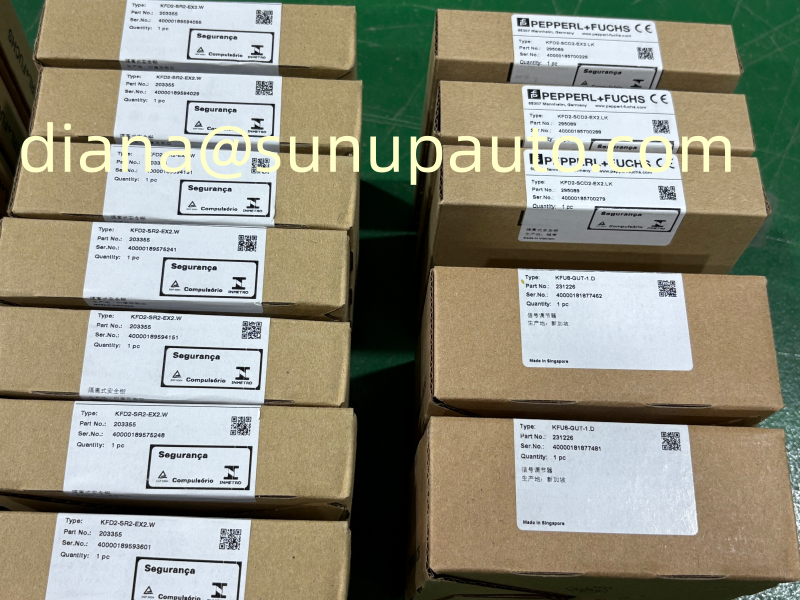
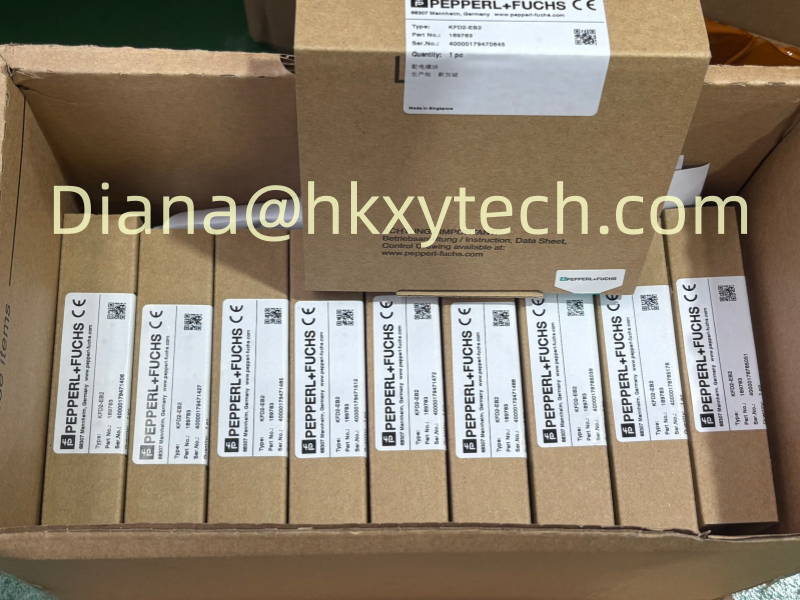
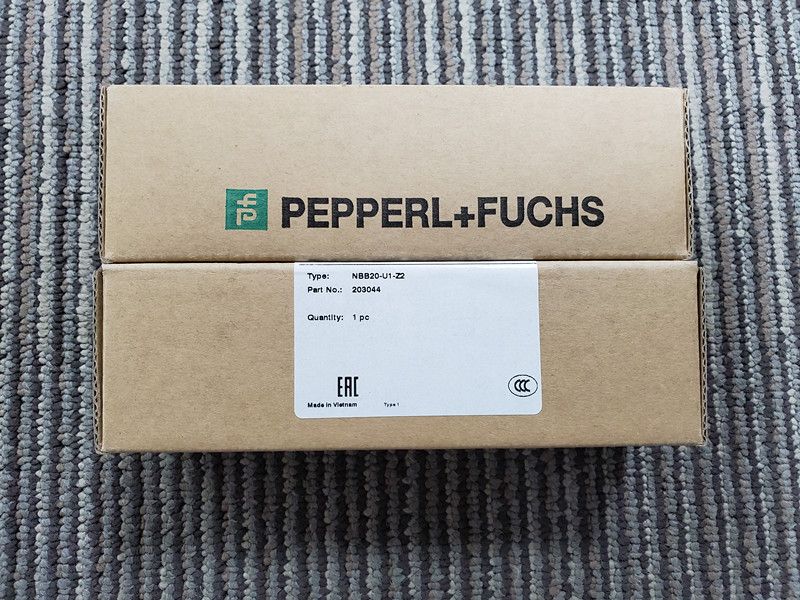
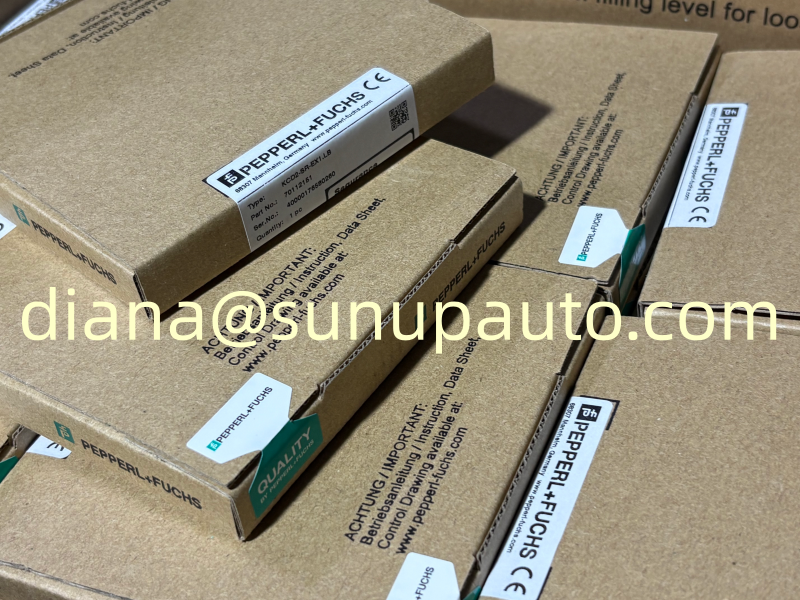
- Provide quantity, destination, required delivery date, and a clear label photograph
When a plant has several similar Pepperl+Fuchs sensors, the fastest way to prevent a mismatch is to pair the written model NCB10-30GM40-N0 with a photograph of the existing label and a short description of the application. This is especially important when maintenance records use an abbreviated designation or when the original cable has been shortened during installation.
Environmental and Service Considerations
Published ambient data for NCB10-30GM40-N0 covers a broad industrial temperature range, but cable routing, enclosure temperature, nearby heat sources, and chemical exposure still deserve review. Stainless steel offers useful mechanical durability, yet aggressive media can affect the cable or sensing-face material. If the device is exposed to washdown chemicals, cutting fluids, or outdoor weather, compare all materials against the site environment.
Non-contact sensing reduces mechanical wear, but it does not eliminate inspection. Periodically check target alignment, buildup on the sensing face, loose hardware, damaged cable glands, and corrosion around the mounting point. A stable sensor can still produce an unreliable machine signal if the metal target has shifted or the field cable termination has deteriorated.
Support for NCB10-30GM40-N0 Supply
Sunup-MTL can support inquiries for Pepperl+Fuchs NCB10-30GM40-N0 and related NAMUR sensors, isolated barriers, switch amplifiers, and cabinet interface components. We can help confirm the requested model against a label image, discuss available stock information, and prepare an export quotation for maintenance, project, or distributor requirements.
For a clear quotation, send the exact NCB10-30GM40-N0 model, quantity, delivery destination, preferred shipping method, and required arrival date. If the sensor is part of a larger shutdown list, include the associated barrier and any alternate cable-length requirements so the items can be reviewed together before shipment.